847.849.2800
 Contact
key takeaways
Ownership structure should reflect the owner’s financial, legacy, culture, and growth goals.
Interim executives maintain operating momentum while owners and transaction advisors focus on the deal.
Strong financial reporting, scalable processes, and a capable management team can improve transition readiness and protect company value.
Selling your business, or even partially transitioning ownership, is uncharted territory. As a founder or owner, you’re looking at a range of possibilities:
- ESOPs to share ownership with your employees
- Private equity to bring in capital and growth expertise
- Employee ownership trusts to preserve culture
- Strategic buyers
- Family transitions
“The right strategy exists for you; the challenge is matching it to your aspirations,” says Mary Josephs, a nationally recognized expert in Employee Stock Ownership Plans (ESOP).
| Transition option | Potential owner objective | Leadership challenge |
|---|---|---|
| Family succession | Preserve family ownership and legacy | Preparing successors and establishing clear governance |
| Strategic sale | Obtain liquidity or combine with a larger company | Maintaining performance through due diligence and integration |
| Private equity | Gain liquidity, capital, or growth support | Building scalable systems and aligning with new investors |
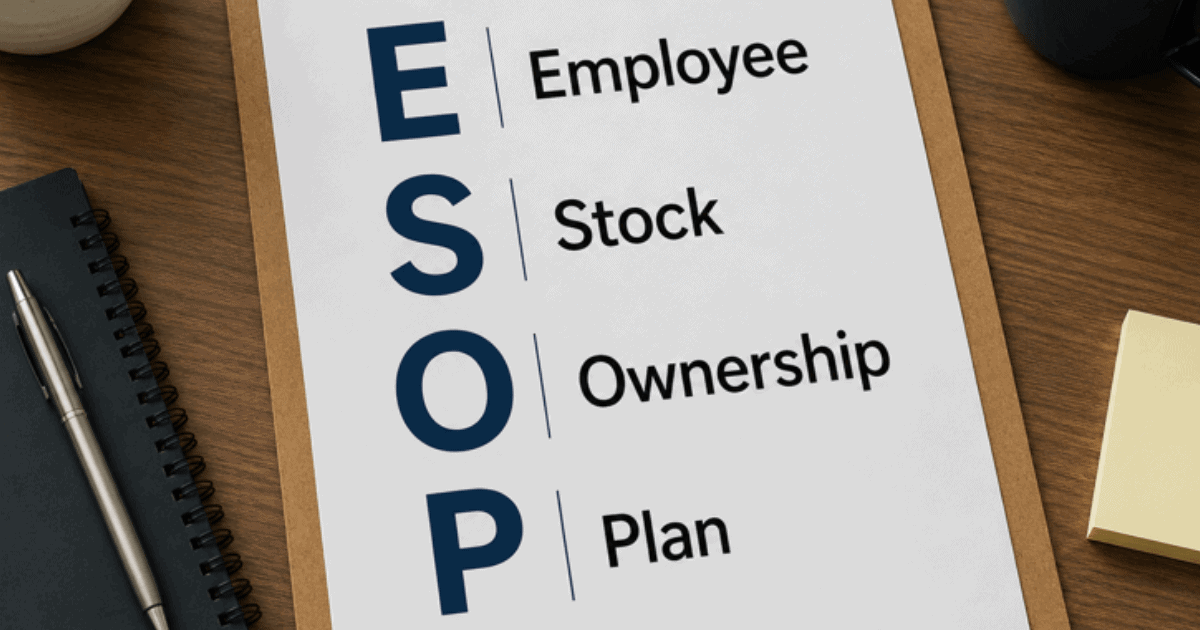
| ESOP | Transfer ownership to a retirement plan for employees | Managing financing, governance, cash flow, and culture |
| EOT | Preserve the business for employees over the long term | Establishing the trust, governance, and employee-benefit structure |
| Management buyout | Transfer ownership to existing leaders | Financing the sale and separating management from the departing owner |
Without a clear plan and experienced guidance, the process can become overwhelming, leading to rushed decisions that erode value or hurt the culture you’ve spent decades building.
Why an Ownership Transition Can Put Company Value at Risk
An ownership transition can consume enormous amounts of an owner’s and management team’s time. Financial requests, buyer meetings, negotiations, succession decisions, and employee concerns compete with the daily work of running the company.
That distraction can produce exactly the problems a prospective buyer, lender, trustee, or investor does not want to see: missed forecasts, customer losses, delayed decisions, inconsistent reporting, and departing employees.
An interim executive provides dedicated operating leadership during that vulnerable period. The interim can maintain accountability, strengthen processes, address leadership gaps, and keep strategic initiatives moving while the owner and transaction team concentrate on the deal.
When Should You Bring in an Interim Executive?
The best time to bring in an interim executive is generally before performance deteriorates or due diligence exposes avoidable problems. An interim leader may be especially valuable when:
- The company depends heavily on the owner for decisions or customer relationships
- The financial records are not ready for buyer or lender scrutiny
- The management team has an important CEO, CFO, or COO gap
- The owner is spending so much time on the transaction that operations are suffering
- Family members disagree about future leadership or governance
- Employees are becoming anxious about the company’s future
- The business must improve performance before going to market
Why an Interim Executive Can Be Your Best Ally
An interim CEO, CFO, or COO steps in during this critical window to:
- Clarify your goals, including wealth preservation, legacy, culture, employee rewards, growth potential.
- Assess all ownership structures from 100% ESOP to partial ESOP, EOT, PE with broad-based ownership, or a hybrid approach.
- Negotiate with investors ensuring employee ownership is part of the deal, not an afterthought.
- Prepare the company operationally so you enter any transaction from a position of strength, maximizing valuation.
- Lead through transition to keep operations running smoothly while you focus on the big picture.
Free Guide
The Complete Guide to Interim Management
Free Download
The Complete Guide to Interim Management
Everything owners, investors, and boards need to know about deploying interim executives — when to use them, how to vet them, what to pay, and how to get results fast.
ESOPs and PE: Not Either/Or
During an interview with InterimExecs CEO Robert Jordan, Josephs pointed out that owners looking at private equity have more leverage than they think.
“If you’re considering a PE sale, you can ask them to not concentrate ownership in their own hands but include employees as well,” she says.
That could mean a hybrid structure: PE investment for growth + broad-based employee ownership to protect culture and reward the people who built the company.
Private equity firms such as KKR and Blackstone are sharing the growth in the value of their portfolio companies with workers. (Learn more about KKR’s ESOP approach on this Planet Money podcast.)
How an Interim Executive Supports an Ownership Transition
Interim executives do not replace the attorneys, tax professionals, valuation experts, fiduciaries, or investment bankers required for a transaction. They provide the hands-on operating leadership needed to prepare the company and implement the transition plan.
An interim CEO, CFO, or COO can step in during this critical period to:
- Clarify the owner’s financial, legacy, culture, and growth objectives
- Assess whether the company is operationally and financially ready for a transition
- Strengthen financial reporting and prepare for due diligence
- Reduce the company’s dependence on the current owner
- Address leadership, process, and performance gaps that could weaken the company’s value
- Coordinate internal execution with legal, tax, valuation, financing, and transaction advisors
- Maintain employee, customer, vendor, and investor confidence
- Keep the business performing while the owner focuses on the transaction
- Lead the company through the post-transaction integration or handoff
The Interim Advantage in Any Ownership Model
No matter which direction you choose:
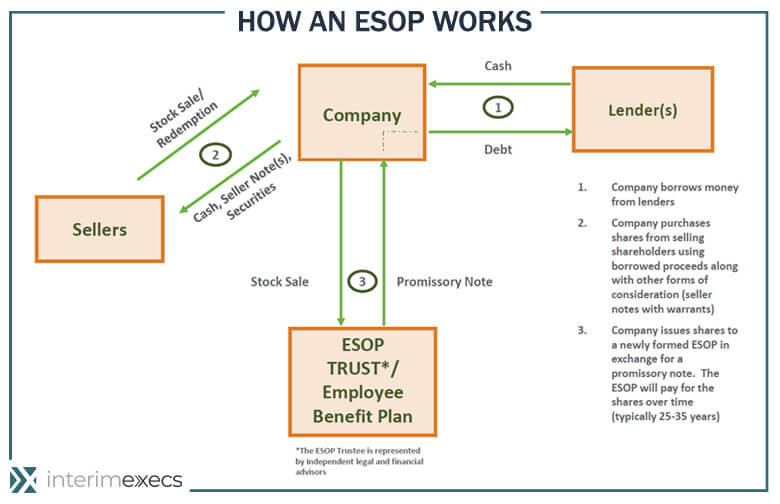
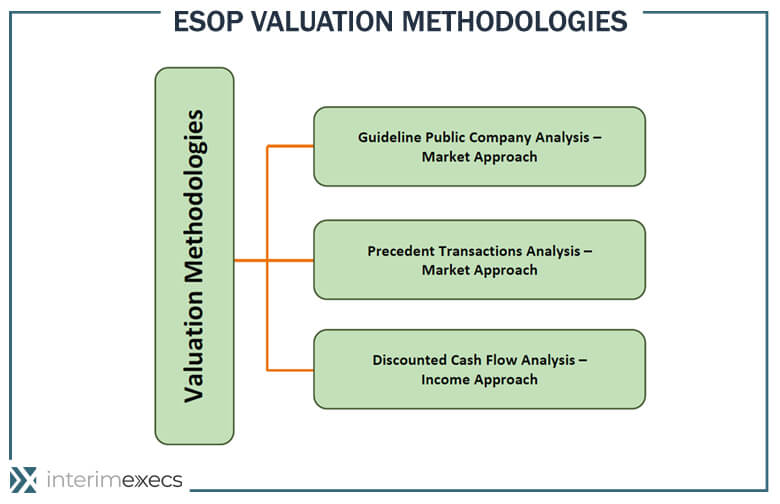
- ESOP: Interim leaders can manage valuations, financing, and the cultural shift to an employee-owned company.
- EOT: Interims can guide the legal, operational, and financial setup while ensuring a smooth leadership transition.
- Private Equity: Interims can bridge the gap between old and new ownership, protecting employee engagement and operational momentum.
Ownership transitions are high-stakes and high-complexity. An experienced interim executive who has been through many transitions before can ensure you get the structure, terms, and transition that serve your long-term goals.
If you’re at that crossroads, don’t go it alone. Bring in someone who’s navigated it before.
Need help now?
Talk to Us About Your Business Transition Needs
RED Team executives are experienced, vetted leaders who are ready to help you choose the right path forward and manage the transition.
Read More
Frequently Asked Questions
An ownership transition, whether to an ESOP, Private Equity, or the next generation leadership, is a high-stakes, complex event that can distract leadership from daily operations. An InterimExecs interim executive acts as a “bridge,” maintaining operational momentum and protecting company value while the owner focuses on the deal structure. Because they have navigated multiple transitions before, interims can provide an objective perspective, manage cultural shifts, and ensure the company enters negotiations from a position of strength.
A business ownership transition transfers some or all of a company’s ownership to another party. Options may include a family successor, management team, strategic buyer, private equity investor, ESOP, or employee ownership trust. The right structure depends on the owner’s financial goals, desired timeline, company readiness, and plans for employees and the business.
An interim executive maintains operational performance while the owner and transaction advisors focus on the deal. Depending on the company’s needs, an interim CEO, CFO, or COO may strengthen financial reporting, prepare for due diligence, develop the leadership team, improve processes, communicate with stakeholders, and lead post-transaction integration.
The company should establish reliable financial reporting, document core processes, build a leadership team that can operate without the owner, identify customer and supplier risks, address legal and compliance issues, and create a communication plan. These steps can reduce transaction risk and demonstrate that the business can succeed after the owner leaves.
Ownership transitions within a family often fail due to emotional dynamics rather than business logic. An interim CEO can help when the family lacks a clear succession plan, growth has stalled, communication has broken down, or employees are leaving due to uncertainty about the future.